
Inhaltsverzeichnis:
Der Ubud Art Market, auch „Pasar Seni Ubud“ genannt, befindet sich gegenüber dem königlichen Palast Puri Saren und ist täglich von 08:00 bis 18:00 Uhr geöffnet. Der Markt ist in zwei Hauptbereiche unterteilt. Im westlichen Block befindet sich der Kunstmarkt, der östliche Block ein traditioneller Markt, auf dem man Lebensmittel und andere Dinge des täglichen Bedarfs kaufen kann.
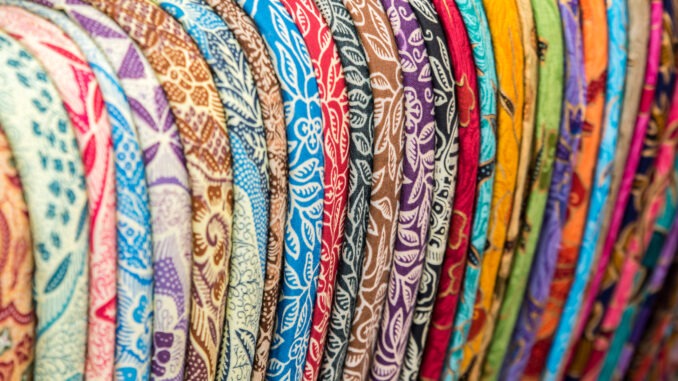
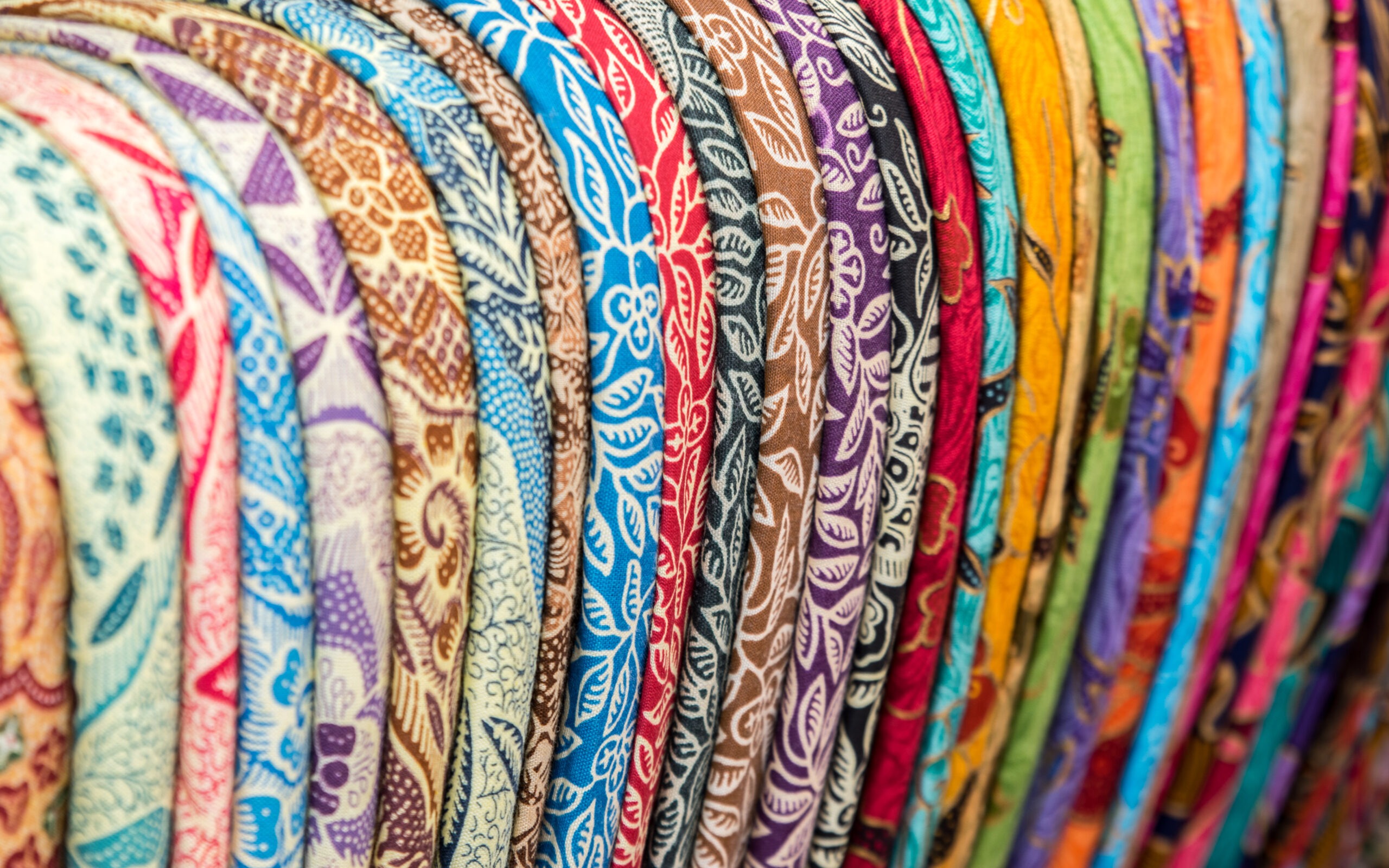
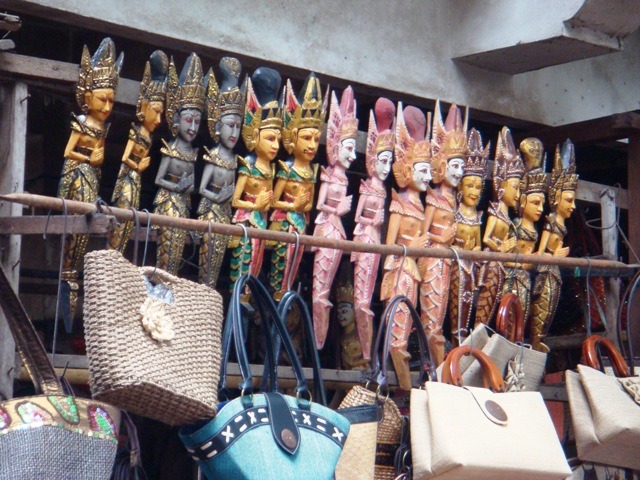
Insider bezeichnen ihn als den besten Kunstmarkt auf Bali, auf dem Sie wunderschöne Seidenschals, leichte Hemden, handgeflochtene Taschen, Körbe oder Hüte, Statuen, Drachen und viele andere handgefertigte Waren kaufen können. Feilschen ist auf dem Ubud Art Market üblich.
Die meisten der auf dem Ubud Art Market angebotenen Waren werden in den benachbarten Dörfern Pengosekan, Tegallalang, Payangan und Peliatan hergestellt. Die Lage des traditionellen Kunstmarktes inmitten der kunsthandwerklichen Dörfer und direkt gegenüber dem Königspalast, der das Zentrum von Ubud bildet, macht ihn zu einem strategischen Einkaufsort für balinesisches Kunsthandwerk und Souvenirs.
Der Ubud Art Market diente auch als Kulisse für den Hollywood-Film “Eat Pray Love”. Die Schauspielerin Julia Roberts schlendert durch die Stände, die im wirklichen Leben sowohl von Einheimischen als auch Touristen besucht werden.
Schlendern und Staunen
Kunstmärkte auf Bali stehen auf der Bucket List der meisten Touristen. Für viele von ihnen gehört es zu den beliebtesten Freizeitbeschäftigungen, einfach zum Herzen der Stadt zu schlendern, was durch die Fußwege ermöglicht wird, die praktisch an jedem Aspekt der balinesischen Kultur und des Lebens vorbeiführen. Einer dieser entspannten Spaziergänge führt vom Affenwald, der sich etwa einen Kilometer südlich des Marktes befindet, durch den Ubud Art Market zum Königspalast.
Beim Schlendern durch den Kunstmarkt von Ubud geht es nicht immer um einen tatsächlichen Kauf. Das Betrachten der verschiedenen Gegenstände, die von einem Stand zum anderen gereicht werden, ist ein Highlight für sich und zeigt das handwerkliche Können und die Kunstfertigkeit der Einheimischen.
Im Vergleich zu den Kunstmärkten in anderen touristischen Zentren Balis, beispielsweise Kuta, bietet der Ubud Art Market eine höhere Qualität und eine größere Vielfalt. Obwohl Strandtücher und Hemden mit dem Aufdruck „Bali“, gewebte Ikat-Röcke, Gemälde im balinesischen Stil, Holzschnitzereien und geflochtene Körbe fast überall auf der Insel zu finden sind, gehören Gegenstände wie vierfarbige Bohème-Röcke aus Satin, Öllampen im marokkanischen Stil, gesteppte Batik-Camisolen und Buddha-Statuetten aus Messing eher zu den typischen Kuriositäten des Ubud Art Market.
Feilschen, aber richtig!

Im Gegensatz zu den Waren in den verschiedenen Geschäften entlang der Monkey Forest Road haben die meisten Gegenstände auf dem Ubud Art Market keinen Strichcode oder einen festen Preis. Anders gesagt, feilschen wird erwartet.
Der Handel auf Bali unterscheidet sich aber gravierend vom Feilschen auf arabischen Basaren. Im Orient werden mögliche Kunden häufig von den Händlern bedrängt oder sogar mit Gewalt in die Verkaufsstände gezogen. Balinesen würden so etwas niemals tun. Sie warten höflich, bis der Kunde den ersten Schritt macht und zwingen ihn nicht zum sofortigen Kauf.
Gefeilscht wird stets höflich und mit einem Lächeln. Für Balinesen gehört das Feilschen einfach zum Spaß am Einkaufen, oft geht es gar nicht darum den besten Preis oder den maximal möglichen Gewinn zu erzielen. Trotzdem ist es hilfreich, sich vor dem Feilschen zu überlegen, wie viel man für einen Artikel höchstens zahlen möchte.
Beginnen Sie mit etwa der Hälfte des geforderten Preises und steigern Sie ihn, bis Sie einen Kompromiss gefunden haben. Kaufen Sie nichts, wenn es der erste Tag Ihres Urlaubs ist. Verschaffen Sie sich einen Überblick, während Sie Ihren ersten Tag genießen, und gewöhnen Sie sich an die Preise.
Alle Waren und Stände zu bewundern, ist unmöglich, an einem Tag zu schaffen. Wenn Sie einen Gegenstand entdecken, der Sie interessiert, kommen Sie am besten an einem anderen Tag wieder, um zu feilschen und das Geschäft abzuschließen.
Gut zu wissen
Wer definitiv vorhat etwas zu kaufen, sollte den Ubud Art Market möglichst früh besuchen, bevor gegen 10 Uhr der Touristenansturm beginnt. Als einer der ersten Käufer des Tages können Sie in der Regel bessere Preise erzielen. Viele der Händler glauben, dass ihnen der erste Verkauf des Tages Glück bringt. Schon aus diesem Grund sind sie häufig gewillt, ihre Preise zu senken.
Am Nachmittag geht es deutlich hektischer zu. Die Verkäufer versuchen deutlich hartnäckiger, das Interesse des Kunden so lange wie möglich aufrechtzuerhalten. Dieses Verhalten darf nicht mit Aggression verwechselt werden. Für die Händler ist das einfach eine Verkaufstaktik, auch wenn die Kunden das eventuell anders sehen.
Abends wird es wieder entspannter. Auch gegen Ladenschluss bieten die Händler ihre Waren gerne zu niedrigeren Preisen an, um am Ende des Tages noch ein paar Verkäufe zu tätigen, bevor sie nach Hause gehen. Wer einen Besuch im Affenwald plant, sollte vor dem Einkaufen dort hingehen. Die dort lebenden Makaken sind hervorragende Diebe und haben schon manchen Einkauf stibitzt.
Definitiv einen Besuch wert
Der Ubud Art Market bietet nicht nur hochwertige balinesische Artikel, sondern auch ein universelles und internationales Sortiment. Im Vergleich zu anderen Kunstmärkten auf Bali sind die hier angebotenen Artikel in der Regel von höherem künstlerischen Wert. Die Lage des Marktes inmitten der Kunst produzierenden Dörfer und im Zentrum von Ubud macht ihn zu einem strategischen Einkaufsort für balinesisches Kunsthandwerk und außergewöhnliche Souvenirs.
Der Kunstmarkt ist auf jeden Fall einen Besuch wert, auch für Nichtkäufer und Fotografen, die farbenfrohe Motive suchen. Bleiben Sie beim Feilschen höflich und achten Sie auf Ihre Wertsachen, denn auch Taschendiebe statten dem Ubud Art Market gerne einen Besuch ab. Wer in Bali übernachtet, besucht den Markt am bestens frühmorgens oder spät am Abend.
Weil der Markt sehr groß ist und mitten im Zentrum liegt, ist er nicht schwer zu finden. Die offizielle Adresse lautet Jalan Raya Ubud Nr. 35. Bei einem Spaziergang vom Affenwald zum Königsplatz laufen Sie direkt durch den Markt hindurch.


.jpg)