
Inhaltsverzeichnis:
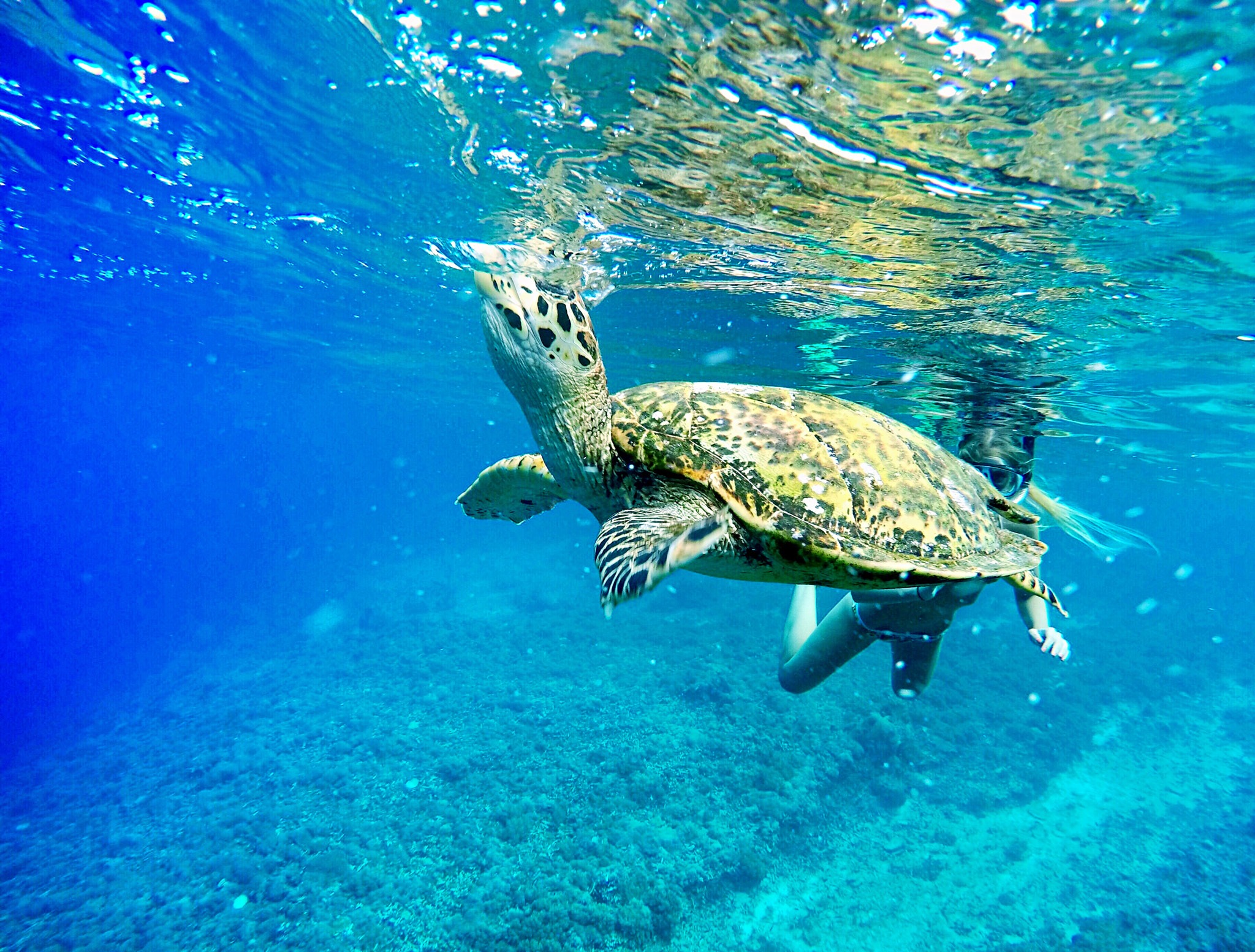
Suchen Sie nach einer Aktivität, die Spaß macht und kostenlos ist, bei der Sie mit Tieren interagieren können und die gleichzeitig dem Naturschutz dient? Bei der Bali Sea Turtle Society (BSTS) können Sie als Freiwilliger Baby-Meeresschildkröten ins Meer entlassen. Dieses Naturschutzprojekt wurde 2001 von dem Balinesen Wayan Wiradnyana gegründet.
Die belebte Küste von Bali (insbesondere Kuta) ist ein beliebter Ort für Schildkröten, um ihre Eier abzulegen. Die BSTS rettet diese Eier und schützt sie, bis die Schildkröten geschlüpft und bereit dafür sind, in die freie Wildbahn entlassen zu werden.
Es gibt mehrere Organisationen, die sich für den Schutz der Schildkröten auf Bali einsetzen, aber BSTS ist die bekannteste von ihnen und scheint auch die am besten organisierte zu sein. Sie zieht Menschen aus aller Welt an, die Baby-Meeresschildkröten freilassen wollen.
Wo liegt die Bali Sea Turtle Society?
Die BSTS befindet sich in Kuta Beach auf Bali. Halten Sie einfach Ausschau nach der großen Schildkrötenstatue auf dem Gehweg. Das Aussetzen der Schildkröten findet direkt am Strand statt.
Die BSTS ist von jedem Teil der Insel aus als Tagesausflug machbar, aber wenn Sie außerhalb von Kuta wohnen, sollten Sie früh aufbrechen, da es bisweilen zu Staus kommen kann. Im Juli ist Hochsaison in Kuta und es herrscht besonders viel Verkehr.
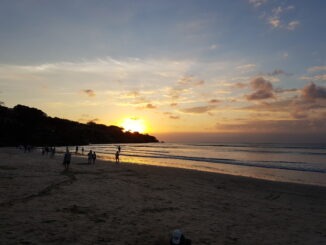
Am besten verbindet man diesen Ausflug mit einem abendlichen Spaziergang am Strand. Ein weiterer Pluspunkt beim Freilassen der Schildkröten ist nämlich, dass man dabei den herrlichen Sonnenuntergang am Kuta Beach miterleben kann.
Wie läuft das Aussetzen der Schildkröten ab?
Das geschulte Personal der Bali Sea Turtle Society sammelt die Eier der Meeresschildkröten vom Strand ein und bringt sie in die zentrale Brutstation im Kuta Beach Sea Turtle Conservation Center, um die Nester zu schützen und die Wahrscheinlichkeit zu erhöhen, dass sie schlüpfen.
Sobald die Eier geschlüpft sind, werden die Jungtiere gezählt, und wenn genügend gesunde Schildkrötenbabys vorhanden sind, veranlasst BSTS ihre Freilassung. Ist dies nicht der Fall, setzen die Mitarbeiter die Jungtiere ohne freiwillige Helfer aus.
Dank der regelmäßigen Updates auf der Facebook-Seite der BSTS können sich Touristen jederzeit darüber informieren, wann und wo die nächste Auswilderung von Baby-Meeresschildkröten stattfindet. Den Zahlen nach zu urteilen, ist dies eine äußerst beliebte Aktivität, die überdies zur Aufklärung über die Bedeutung des Naturschutzes beiträgt.
Als Freiwilliger muss man zuerst herausfinden, ob eine Auswilderung stattfindet, wenn man gerade in der Gegend ist. Wenn ja, ist der nächste Schritt, sich zum Zentrum der Bali Sea Turtle Society zu begeben, das man leicht am Kuta Beach findet, indem man entweder dem Standort auf Google Maps folgt oder nach der riesigen Plastikschildkröte Ausschau hält. Sie können sie nicht übersehen.
Dort muss man sich bis 16 Uhr für eine Wertmarke anstellen, mit der man später die Chance erhält, eine der Schildkröten freizulassen. Es gibt nur eine begrenzte Anzahl solcher Marken und in der Hochsaison ist die Nachfrage definitiv sehr hoch, also sollte man früh da sein, um Enttäuschungen zu vermeiden. Sobald man seine Wertmarke erhalten hat (die technisch gesehen kostenlos ist, aber Spenden werden gern angenommen), wird man für kurze Zeit weggeschickt, um zu warten, bevor ein Signalton die Gruppe wieder zusammenführt und eine kurze Einweisung gegeben wird.
Nun bildet sich wieder eine Schlange, und dieses Mal bekommt man eine Plastikdose ausgehändigt. Sie ist aber nicht für den Imbiss zwischendurch gedacht, sondern für die winzige Baby-Schildkröte, die aus einem Schildkrötenbecken herausgeholt und Ihnen übergeben wird, damit Sie gut auf sie aufpassen und sie zum Strand bringen können.
Schildkrötenbabys welche am Strand in Kuta (unter Aufsicht) freigesetzt wurden:
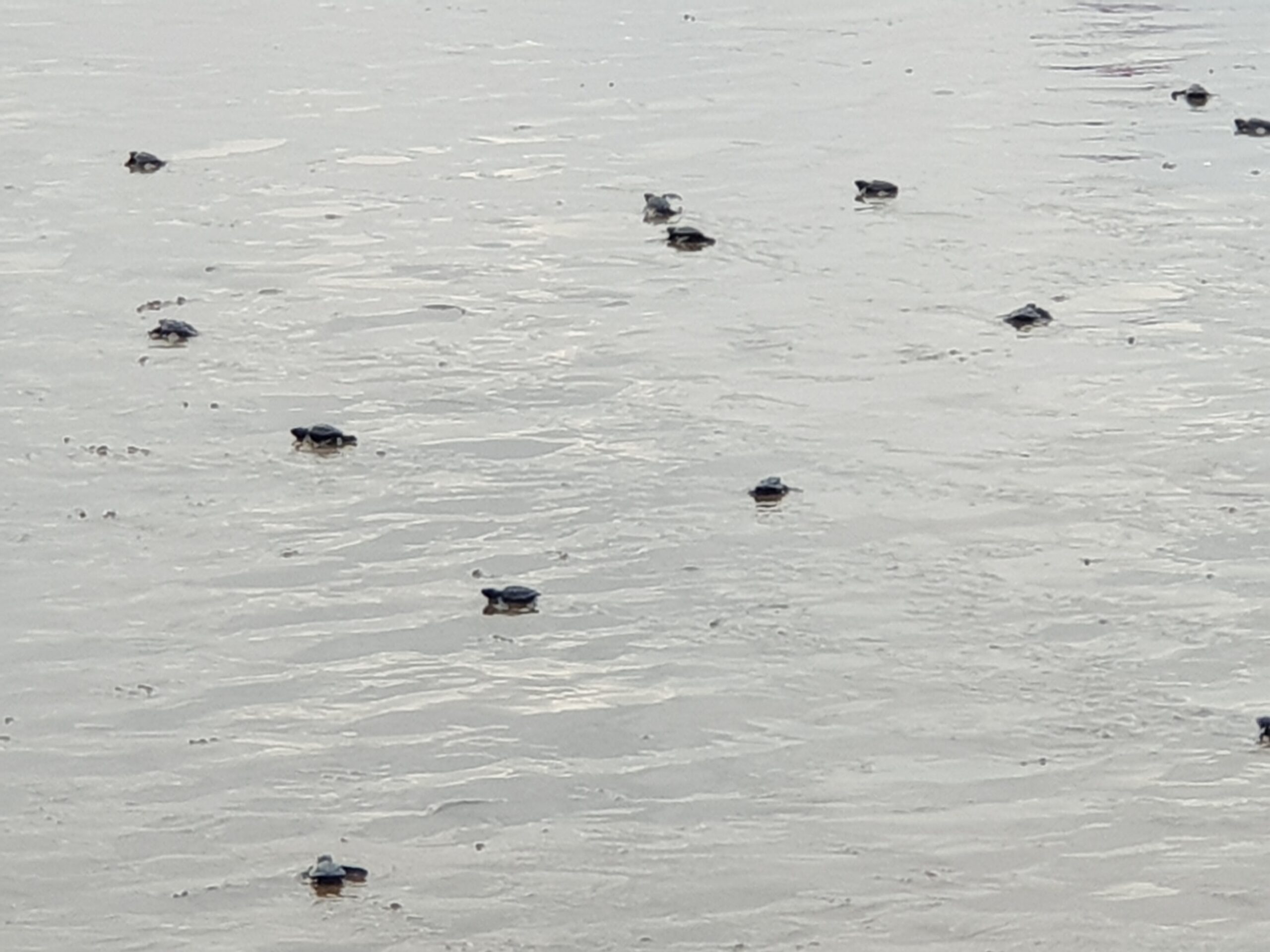
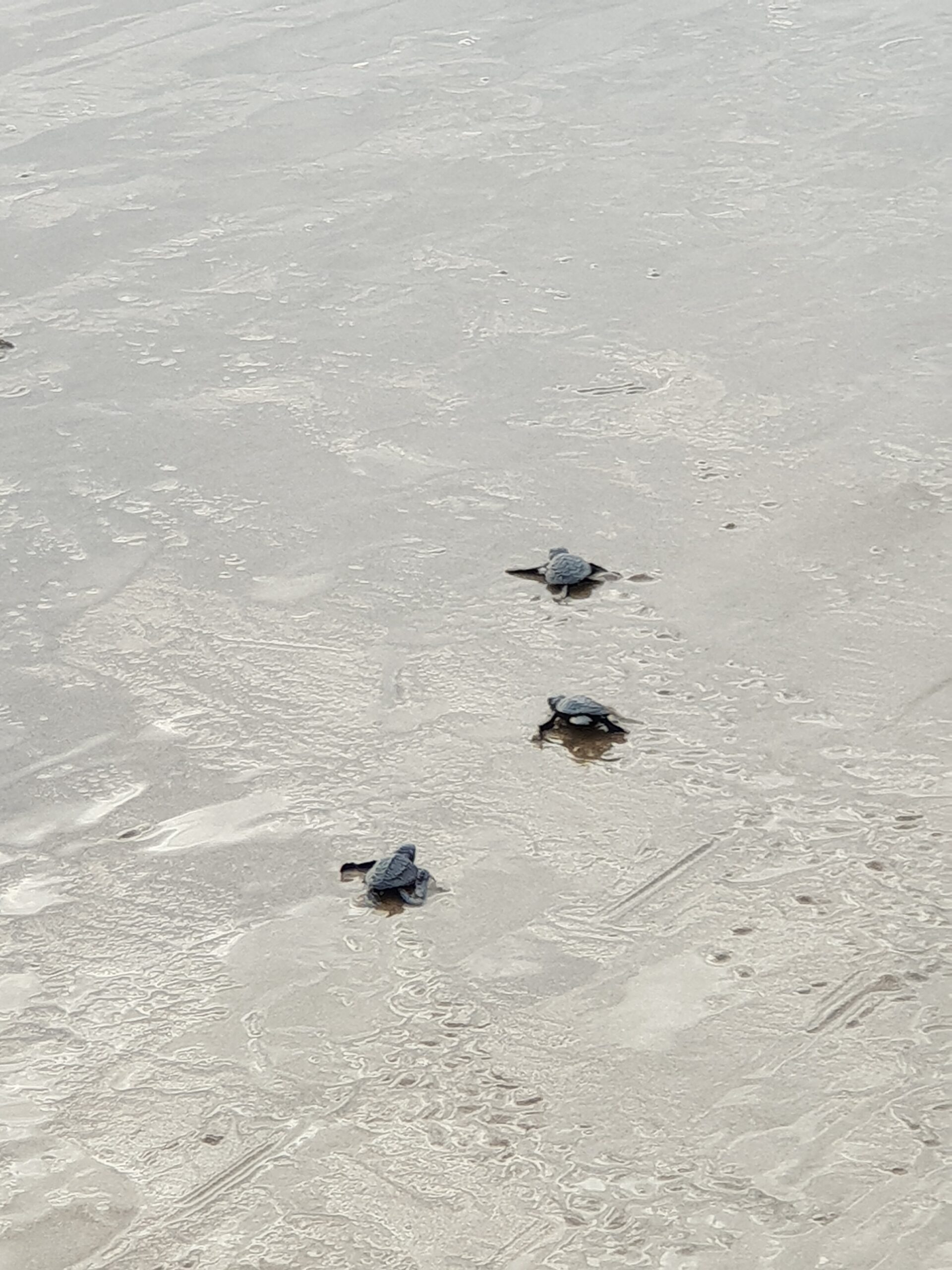
Sobald sich alle Freiwilligen am Strand versammelt haben, erklärt ein Mitarbeiter, wie das Aussetzen der Schildkröten abläuft und was es alles zu beachten gibt. Dann ist es Zeit für die Babys, ihr neues Leben im Meer zu beginnen.
Wichtige Verhaltensregeln
Sobald Sie eine Wertmarke vom Conservation Center erhalten haben (sie ist kostenlos), haben Sie etwa 15 Minuten Zeit, bevor ein Mitarbeiter alle Freiwilligen um sich versammelt und erklärt, wie man die Tiere richtig freilässt und welche Regeln Sie beachten müssen. Die Regeln sind ganz einfach:
- Fassen Sie Ihr Schildkrötenbaby nicht an. Dies ist kein Streichelzoo und die Schildkröte ist kein Haustier.
- Bleiben Sie hinter der im Sand gezogenen Linie am Strand, damit die Babyschildkröten Platz haben, um ins Meer zu watscheln.
- Wenn Ihre Schildkröte aktiv ist, halten Sie Ihre Hand über den Behälter, damit sie nicht herausspringt. Die Schildkröte wird Sie nicht beißen.
- Verwenden Sie beim Fotografieren der Schildkröten keinen Blitz. Es ist ein ganz besonderer Anblick, wenn 300 Baby-Schildkröten in den Ozean watscheln, und es ist verständlich, dass man unbedingt Fotos machen möchte, aber die Verwendung von Blitzlicht ist streng verboten.
Für wen eignet sich ein Besuch in der Bali Sea Turtle Society?
Die Bali Sea Turtle Society ist eine großartige Sehenswürdigkeit für Familien mit Kindern. Der Nachwuchs kann mehr über das Thema Umweltschutz lernen, und es ist ein wunderbares Projekt, das ihren Blick auf die Natur verändern wird. Anhand der Schautafeln in der Bali Sea Turtle Society lässt sich auch die Geschichte der Organisation besser verstehen.
Wenn die Kleinen ihr Schildkrötenbaby in einem kleinen Plastikbehälter vor sich her tragen und vor Freude schreien, wenn sie das kleine Wesen ins Meer entlassen, ist das ein Moment, den sie sicher so schnell nicht vergessen werden. Aber auch für alle Menschen, die sich für da Thema Naturschutz interessieren, ist die BSTS eine Reise wert.
Weblinks zum Weiterlesen
Fazit
Kuta ist ein beliebtes Touristenziel und es gibt jede Menge zu erleben. Ganz oben auf Ihrer Liste sollte jedoch die Bali Sea Turtle Society Stehen. Das Freilassen junger Meeresschildkröten ist eine einmalige Erfahrung, die wirklich überwältigend ist. Darüber hinaus leistet die BSTS einen wichtigen Beitrag zum Naturschutz.
Kontaktdaten
Bali Sea Turtle Society
Jl. Pantai Kuta, Kuta
Kabupaten Badung
Bali 80361
Indonesien
+62 811-3882-683
info@baliseaturtle.org



.jpeg)